
Here's the thing about introducing toys with a partner
Most couples wait until something feels broken before they reach for a vibrator. That's backwards. A clitoral vibrator like the Lem doesn't fix a bad sex life. It transforms a good one into something that feels fresher, more intentional, and honestly, a lot more fun.
The part that stops people? The conversation. Not the toy itself. Bringing up the idea feels awkward. You worry it signals dissatisfaction. It might feel like admitting your partner isn't enough. None of that is true, but the silence around it is real.
I work with couples all the time who've been having the same mediocre sex for years because neither person wanted to be the one to suggest something new. Once they get past that first conversation, they're shocked at how much shifts.
Why the Lem changes the dynamic between you two
There's a specific thing that happens when you use a lemon sucker style vibrator with a partner. Most vibrators create a direct, mechanical sensation that can feel good in isolation. But a lemon clitoral vibrator uses suction and gentle pulse. It stimulates nerves differently.
When your partner watches or participates, they can see what makes you respond. They can feel the shift in your body. And here's the part that matters: they're not doing the work. They're not performing. They're witnessing, and participating, which is a totally different energy.
For a lot of people, that removes performance anxiety. You're not worried about being "taking too long" or whether your partner's arm is tired. You're both focused on the pleasure itself. That shift alone changes the intimacy.
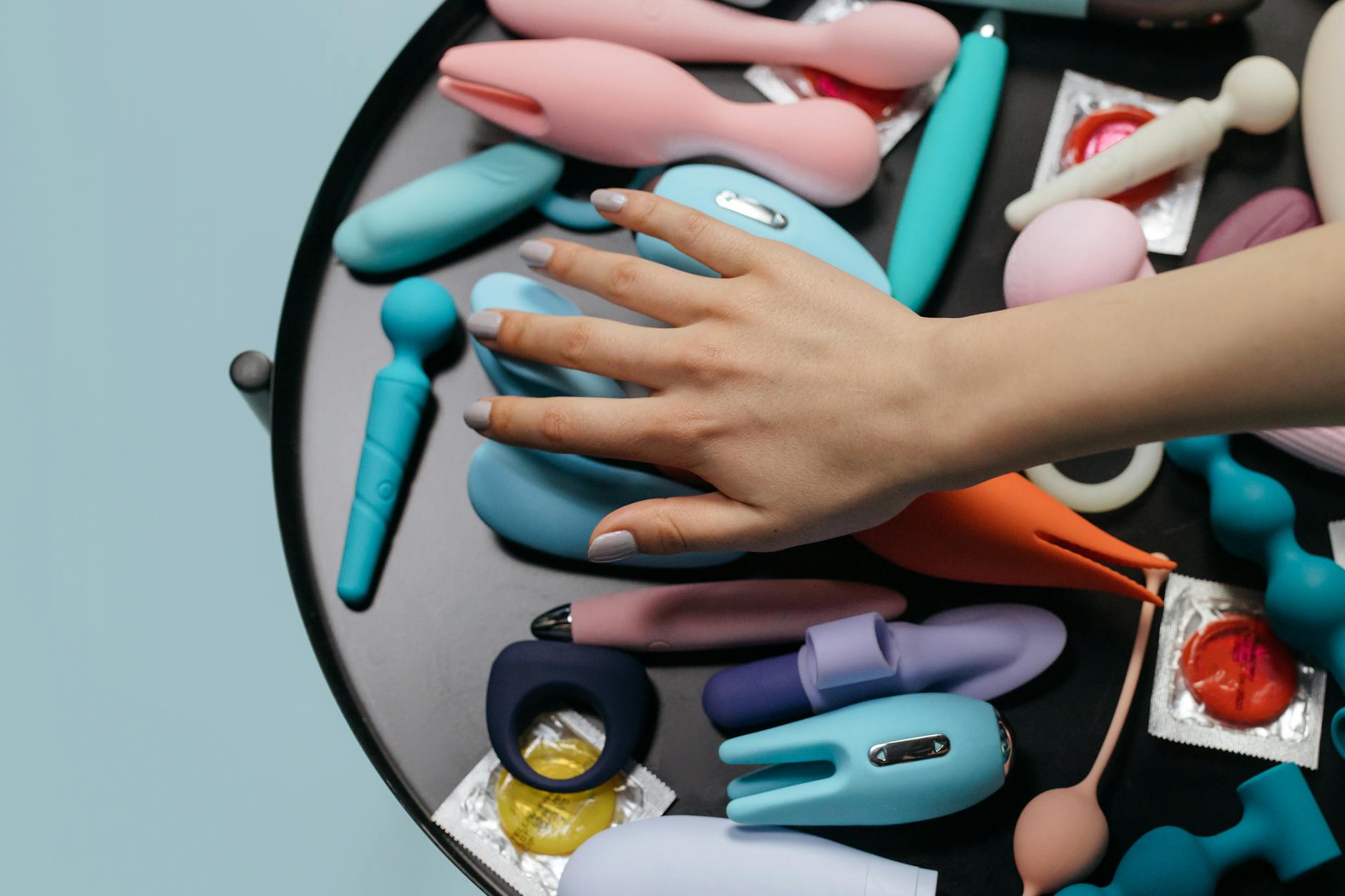
Photo by cottonbro studio on Pexels
How to actually bring it up without it feeling weird
The secret is treating it like a practical tool, not a rejection. "I want to try using a vibrator with you" lands very differently than "You're not making me come fast enough."
Start with curiosity, not criticism. "I read that couples who use vibrators together report feeling more connected" is better than "I need more stimulation." The first opens a conversation. The second closes one.
Pick a time that's not in bed, right before sex. If you're already intimate, it feels like a live negotiation. A conversation over coffee or while cooking feels safer for both of you. That's not weird. It's actually the most mature thing you can do.
Show your partner what you're thinking about. If you're leaning toward a Lem or another specific vibrator, pull up the site together. Let them see what it does. Talking about it abstractly is harder than showing it. Visual evidence helps.
Then ask what they're concerned about. Listen. It might be "I worry I won't be necessary anymore," which is common and worth addressing directly. Or it might be practical: "What if it's loud?" Much easier to solve.
What positions actually work
You can use a clitoral vibrator in almost any position, but some make a lot more sense than others.
Receiving pleasure while your partner is inside you. This is the classic move. Your partner enters, and you use the vibrator yourself, or they hold it. The sensation of fullness plus clitoral stimulation creates a completely different orgasm. It's often deeper and more whole-body.
Facing your partner while lying down. One of you is on top, the other uses the vibrator. This gives you eye contact and the ability to adjust based on what you see. Your partner can slow down or speed up based on your breathing and expression.
Your partner using it on you during penetration. This requires some coordination, but once you find the rhythm, it's powerful. Your partner can use one hand to stimulate your clitoris with the vibrator while using the other for balance or touch.
Foreplay without penetration. Some of the best partnered sex doesn't involve penetration at all. Using a lemon vibrator while kissing, touching, and being close creates intimacy without any pressure.
The communication that keeps happening
Introducing the vibrator isn't a one-time conversation. It's an ongoing one.
After the first time using it together, check in. Not a formal debrief. Just "What did you like about that?" or "Did anything feel weird?" That kind of thing.
Your partner might feel protective during sex in a new way. That's normal. They might also feel liberated. The range is wide. But you won't know unless you ask.
And be ready for your own feelings to shift. Some people feel more vulnerable with a partner watching. Others feel more confident. You might feel different things on different days.
The point is: talking about it as you go, not just before you start, keeps the door open. It's a conversation, not a decision.
The technical stuff that matters
If you're using a vibrator with penetration, water-based lubricant becomes even more important. It reduces friction and makes everything feel better for both of you.
Know the power settings on your device before you start. The Lem has different pulse patterns. Some are intense, some are subtle. If your partner is using it on you, they need to understand the control. You don't want to hand over a vibrator and then have to figure out how to adjust it mid-sex. That breaks the moment.
Clean it before and after. Seriously. If you're using it together regularly, it's hygiene and courtesy. A quick wash with soap and warm water takes thirty seconds.
And talk about speed and intensity before you start. "Start low and we can go up" is a solid default. Your partner can read your body, but they can't read your mind about what intensity you want.
What changes after you've done this a few times
Here's what I see with couples who move past the initial awkwardness: sex becomes less performance and more experience.
You stop worrying about whether you're taking too long or whether it's working. You're both paying attention to what feels good in real time. That's actually what creates better orgasms, not just the vibration itself.
Your partner gets information about what you like. They can see what patterns make your breathing change. They can feel when your body tenses or relaxes. That knowledge carries into the rest of your sexual relationship, vibrator or not.
And sometimes, the biggest shift isn't about the orgasms at all. It's about the fact that you had an awkward conversation, got through it, and discovered something together. That's intimacy. That's what changes things.
When a clitoral vibrator isn't the answer
Sometimes the real issue isn't technique or tools. Sometimes one partner wants sex more than the other. Sometimes there's resentment underneath that a vibrator can't fix. Sometimes you're just not connecting outside the bedroom.
If you're using a lemon clitoral vibrator to try to save a relationship, that's not what it's for. If your partner is resistant and you're trying to force it, that's not working either.
A vibrator enhances something that's already there. It doesn't create desire that isn't present. If you're not attracted to your partner or if there's bigger relationship stuff happening, address that first. A tool can't do the work that honesty and real conversation need to do.
That said, for couples who are into each other and just want more pleasure, more variety, more adventure? A vibrator like the Lem changes the game.
People also ask
Will my partner feel like they're not needed if I use a vibrator with them?
This is the fear that stops a lot of people. Here's what actually happens: your partner realizes they're not the only source of pleasure, which is usually a relief. You're not putting that entire weight on them. And they get to participate in something new instead of doing the same thing they've been doing. Most partners feel more connected, not less, once they get past the initial worry.
Is it okay to use a vibrator if my partner doesn't want to?
Yes. You can use a vibrator solo or ask your partner to be in the room while you explore. Some partners need time to warm up to the idea. Forcing it won't help. But you're allowed to want what you want, and you're allowed to explore your own pleasure. Sexuality isn't a team sport where everything has to be negotiated.
What's the best lemon vibrator to use with a partner?
The Lem is designed for partnered use because it's quiet, it's intuitive, and it feels good in almost any position. But the "best" vibrator is the one you both feel excited about. That might mean trying one first on your own before you use it together. You want to understand it before you're mid-sex trying to figure out which button does what.
How do I know if my partner is enjoying it too?
You ask. And you watch. If your partner is engaged, making eye contact, responding to your reactions, that's usually a good sign. Some partners feel turned on by watching you get pleasure. Some feel like they're watching but not participating enough. You won't know unless you check in afterward.
Can we use a vibrator if we're trying to conceive?
Yes. Vibrators don't affect fertility or sperm. If anything, more pleasure and less stress is usually better for conception. Just make sure you're using whatever lubricant you're using appropriately. Some lubricants aren't sperm-friendly, so check with your doctor if you're trying to get pregnant.
What if we don't like it?
Then you don't have to keep using it. You tried something, it didn't work, you move on. This doesn't have to be a huge investment. If a vibrator isn't your thing, that's fine. What matters is that you had the conversation and you were willing to try.
The real thing that changes
I've been doing this work for decades. The couples who report the most satisfaction aren't the ones who have the "best" sex technique or the fanciest toys. They're the ones who can talk about what they want and actually listen when their partner talks back.
Using a vibrator together does something interesting. It forces that conversation. It makes you admit that you want something. It makes your partner admit that they're okay with that, or figure out why they're not.
Once you've had that awkward first conversation and made it through to the other side, you realize you can talk about anything. Sex gets better. Intimacy gets deeper. The vibrator is kind of just the excuse.
If you're thinking about introducing this to your partner, start with the conversation. The tool is the easy part.
Evelyn Granieri is a licensed marriage and family therapist specializing in mid-life relationship dynamics and emotional intimacy. Her approach focuses on practical, evidence-based strategies for couples navigating intimacy and connection. She's here to help you understand not just the mechanics, but the real relationship dynamics underneath.