Here's the thing nobody warns you about
Your clitoris doesn't age in a straight line. It doesn't shrivel. It doesn't stop wanting attention. But somewhere between your thirties and forties, the way it responds to touch starts to shift. Not in a "this is broken" way. In a "this is different and requires a different approach" way.
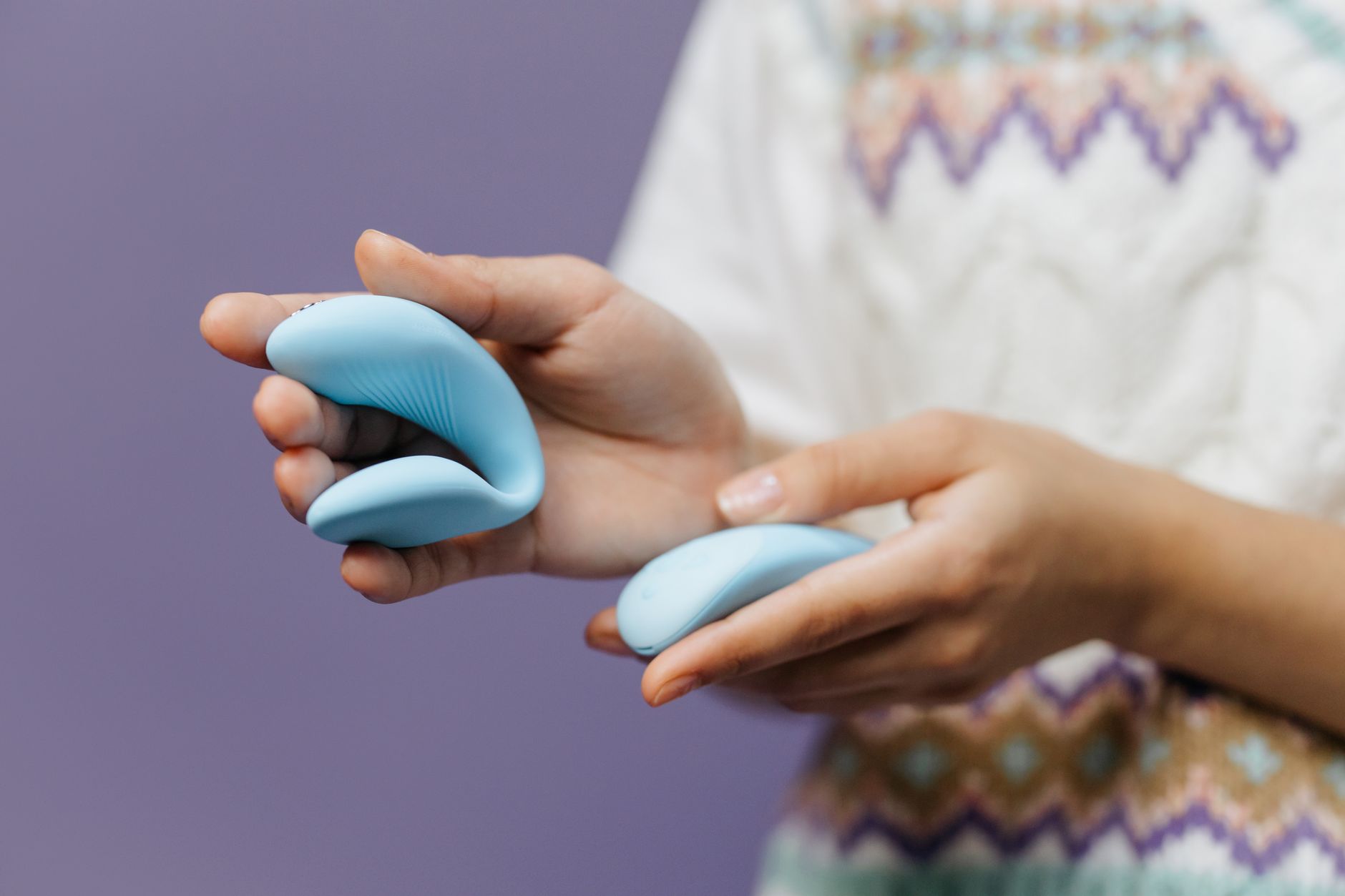
That shift is normal, physiological, and entirely workable. But if you're still using your Lemon vibrator the same way you did at twenty-five, you might be frustrated for no good reason.
What actually changes with clitoral sensitivity over time
The clitoris has 8,000 nerve endings, and that count doesn't change. But the tissue around it does. As estrogen levels naturally decline through your thirties and forties, the skin surrounding the clitoris becomes thinner and slightly less plump. Blood flow patterns shift. The protective hood that covers the clitoral glans can become more or less prominent depending on genetics and hormones.
Here's what this means in practice: direct pressure that felt perfect at thirty might feel too intense at forty-five. Or the opposite. Some people find that as they age, they need gentler, longer warm-up periods. Others report that their clitoris becomes more responsive to sustained suction once they know how to read those new signals.
It's not that pleasure is fading. It's that your clitoris is asking you to pay attention differently.
Why your Lemon Clitoral Vibrator might feel different now
Three key reasons:
Suction adapts better to tissue changes than vibration alone. The Lemon vibrator's suction-based technology doesn't rely on traditional vibration patterns that can feel harsh on increasingly delicate tissue. Instead, it creates a gentle seal that stimulates the entire clitoral complex, not just surface nerve endings. This actually gets more effective as tissue changes, because you're not fighting friction.
Intensity tolerance shifts, but not in one direction. Some people become more sensitive and need to start at lower intensity levels. Others find they want longer sessions at medium intensity to achieve the same depth of orgasm. The clitoris isn't becoming numb. It's developing different thresholds.
Arousal and blood flow take longer. This is partly hormonal and partly neurological. Your brain might want something, but if blood flow to the clitoral tissue is slower to build, the sensation lags. This is where extended warm-up and patience matter more than intensity.
Adjusting your technique with your Lemon vibrator
Start lower than you think you need to. If you've been using intensity level 5 or 6 for years, begin at 2 or 3 and notice what happens. Your clitoris probably has new favorite patterns at lower intensities. You might discover sensations you missed when you were blasting through on maximum.
Extend warm-up time intentionally. Give yourself 10-15 minutes before you jump into stronger sensation. Use your Lemon vibrator on the lowest setting first, moving it in small circles around the clitoral area rather than directly on the glans. This draws blood and wakes up the tissue without overwhelming it.
Experiment with angle and positioning. The hood of the clitoris naturally shifts with age. What used to work at a ninety-degree angle might feel better at forty-five degrees. Move your Lemon vibrator around. Find where the sensation is sharpest right now.
Use lubrication generously. Thinner tissue benefits from extra slip. Water-based lube isn't just nice-to-have anymore. It's part of how you're adapting to your changing body. There's no shame in that. It's smart.
The mental shift that changes everything
Here's what I see most often in my practice: people think clitoral sensitivity changes mean they're broken. They're not. They're evolving.
When you were twenty, your clitoris was optimized for quick arousal, fast orgasms, high-frequency stimulation. That served you. Now, at forty or fifty or sixty, your clitoris is built for something different. It responds better to intention. It rewards patience. It often delivers stronger, longer-lasting orgasms because the entire pelvic floor has time to engage.
That's not a downgrade. That's an upgrade you have to consciously choose.
Many of my clients report that orgasms in their forties and beyond are fuller, more diffuse, and longer than anything they experienced in their twenties. But they only discovered that by stopping the fight against what their bodies were asking for and working with it instead.
When hormone changes complicate things
If clitoral sensitivity changes feel sudden or extreme, it might not just be age. Thyroid function, medication side effects, and hormonal shifts from birth control or other treatments can all affect nerve sensation. That's worth a conversation with your doctor.
But if you're in the normal range of aging, you're not looking at a medical problem. You're looking at adaptation. Your Lemon vibrator is designed to work across different sensitivity thresholds. You just need to meet it where your body actually is right now.
The practical reset
If your current routine stopped working and you haven't changed anything in a while, try this: shelve your usual pattern for a week. Start fresh. Use your Lemon vibrator at intensity level 1. Notice. Add lube. Notice. Extend warm-up. Notice. Don't expect the same experience you used to have. Be curious about what you're finding instead.
Most people discover that their pleasure didn't disappear. It just moved. It lives in different intensities, different rhythms, different parts of the clitoral tissue. Once you find it, it's often deeper and more reliable than it was before.
FAQ: Clitoral sensitivity and aging
Does clitoral sensitivity actually decrease with age, or is it just perception?
It's both. The tissue does change structurally, which affects how nerves respond. But perception matters too. If you expect pleasure to fade, you might not notice the new kinds of sensation your body is offering. Physiologically, the clitoris has the same nerve count at sixty as it did at twenty. How those nerves fire depends on blood flow, hormone levels, and the kind of stimulation you're using. A lemon clitoral vibrator's suction-based approach often compensates beautifully for these shifts because it doesn't depend on the same friction-based stimulation that becomes uncomfortable with tissue changes.
Should I use a different vibrator as I get older?
Not necessarily. The right vibrator at the right setting can adapt with you. What changes is how you use it. Lower intensities, longer warm-up times, different angles, and extra lubrication all help a vibrator that worked for you in your thirties keep working in your forties. That said, suction vibrators like the Lemon vibrator are often better for aging tissue because they stimulate through gentle pressure and seal rather than direct vibration alone.
Can hormone replacement therapy or other treatments reverse clitoral sensitivity changes?
HRT can shift tissue thickness and blood flow, which sometimes changes sensation. But it doesn't "reverse" aging. The goal isn't to feel like you did at thirty. It's to feel good now. Some people find that maintaining healthy estrogen levels through HRT helps them feel more responsive overall. Others find that their new sensitivity requires the same adjustments whether they're on HRT or not. Work with your doctor and your own body's feedback.
What if my clitoris feels numb now but used to be super responsive?
Numberness isn't inevitable with age. If sensation has actually decreased significantly, that's worth checking with a doctor because it can signal thyroid issues, nerve damage, or medication side effects. In the meantime, gentler, longer warm-up and low-intensity suction from a vibrator like the Lemon can help restart blood flow and nerve activation. But don't assume numbness is normal aging. It's a sign to get curious and ask for help.
Is it normal for orgasms to feel different as I age?
Completely normal. Orgasms often become less like a sudden peak and more like a wave or series of waves. That's not worse. It's different. Many people prefer aging orgasms because they last longer and spread across more of the body. The clitoris is still doing its job. It's just that your entire nervous system is involved in a richer way.
How long does it take to adjust to my clitoris's changing sensitivity?
Most people notice new patterns within two to three weeks of consistent practice. Don't expect instant results. The clitoris responds to patience and attention. Use your Lemon vibrator with intention several times a week, keep notes on what feels good, and give your nervous system time to recalibrate. By four to six weeks, you'll probably have a much clearer map of your new sensitivity landscape.
The thing to remember
Clitoral sensitivity changes as you age because you're alive and your body is doing exactly what bodies do. That's not a problem to solve. It's information to use. Your Lemon Clitoral Vibrator isn't becoming obsolete. You're just getting smarter about how to use it. The pleasure is still there. It's just asking you to show up differently. When you do, it often gets better.
If you're noticing shifts in sensitivity or pleasure that feel confusing, reach out. We're here to help you understand what your body is asking for and how to give it exactly that.