That moment when your libido knocks on the door again
You thought it was gone for good. Depression has a way of convincing you that desire is permanently shut down, that your body forgot how to want anything. Then one day something shifts. Maybe it's the right medication dose, or therapy finally clicking, or just time. Suddenly you notice the difference between feeling nothing and feeling something again.
But here's the tricky part: your desire is back, and your body feels like a stranger.
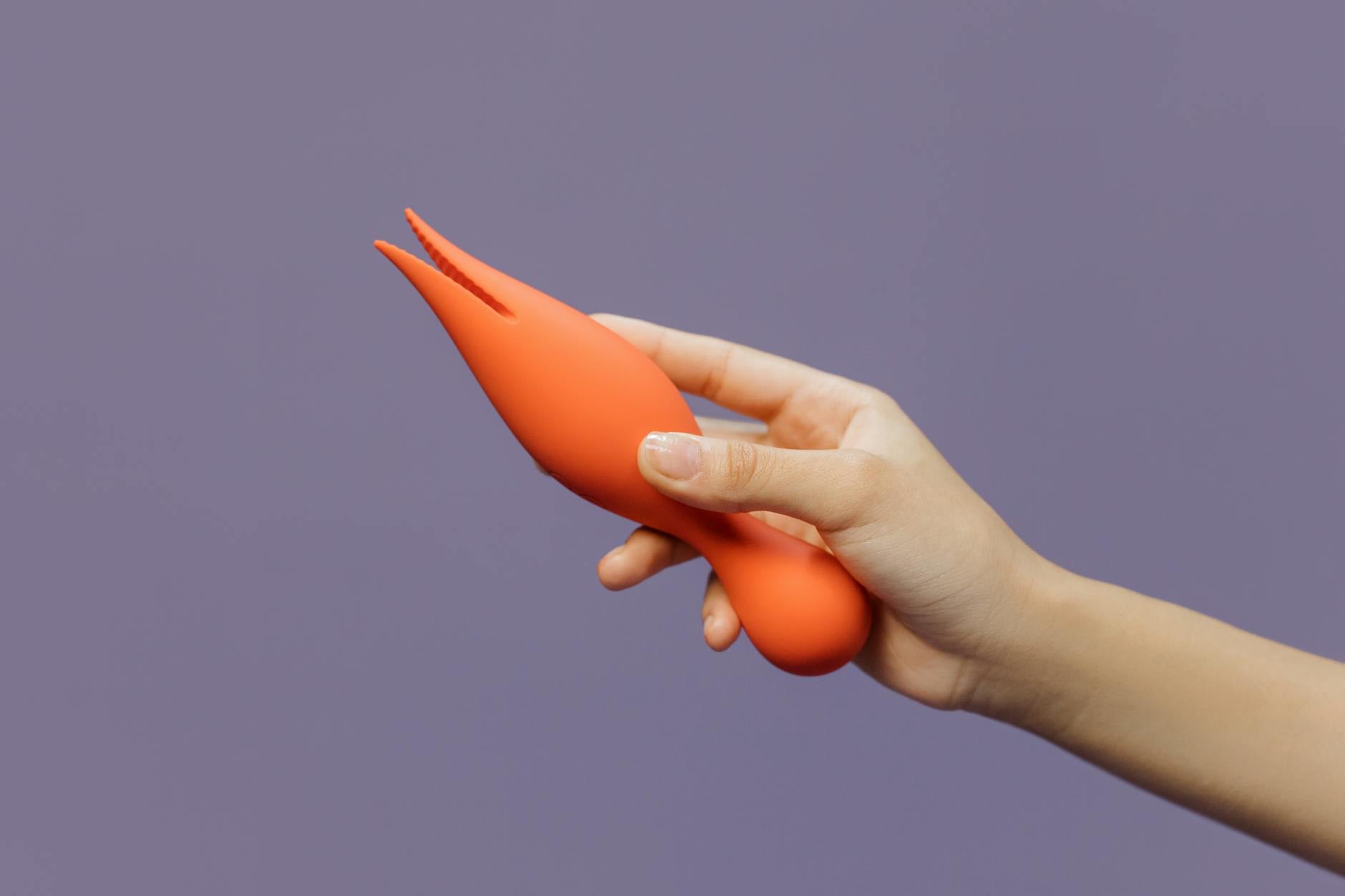
This is one of the most disorienting transitions people experience. Depression doesn't just numb pleasure; it rewires how you relate to your body. When sensation returns, it can feel overstimulating, confusing, or even triggering if you have trauma history. The good news? You don't have to jump back into your pre-depression routine. A clitoral vibrator like the Lemon can be exactly the tool that helps you rebuild this connection slowly, safely, and on your own terms.
Why desire fades during depression (and why it comes back)
Depression flattens dopamine and serotonin, the neurochemicals that drive arousal and pleasure. It's not laziness or lost attraction. Your brain literally isn't producing the chemicals that make sex feel good. Chronic stress hormones like cortisol also suppress sexual response by diverting blood flow away from your genitals and shrinking the part of your brain responsible for desire.
When depression lifts, that chemical landscape shifts back. Your dopamine recovers. Your nervous system starts looking for reward again. But recovery isn't linear, and your body's memory of pleasure isn't quite the same as it was before.
The reentry problem: why jumping back in doesn't work
Many people try to pick up where they left off. They get their libido back and think, okay, time to have sex again. Then one of three things happens: they feel nothing despite being aroused, they get overwhelmed by sensation, or they have an unexpected emotional reaction mid-intimacy.
Your nervous system has been through something. Even if you intellectually understand that pleasure is safe, your body might be in a heightened state of vigilance. This is especially true if depression co-exists with anxiety, trauma, or even just the lingering sense that your body failed you.
The solution isn't willpower or pushing through. It's giving yourself a contained, pressure-free space to reconnect.
Starting from zero: the foundation work
Think of this phase as nervous system resetting, not performance.
Begin without any expectation of orgasm. Seriously. Remove that goal from the equation. Your job for the first week or two is just exploration without pressure. Lie down, put your clothes on or off (whatever feels safe), and spend ten minutes noticing what touches feel pleasant versus neutral versus uncomfortable. This isn't sexual. It's sensory.
Pay attention to texture. Do you like the feeling of cotton or silk? Does gentle touch feel good or does it make you want to jump out of your skin? Are there areas of your body that feel more alive than others? This information tells you where to start.
Many people who've been depressed report that their skin feels hypersensitive when they first start recovering. Light touch can feel irritating. In this case, firmer pressure actually feels better. This is normal. Your nervous system is recalibrating.
Introducing the Lemon: why a clitoral vibrator changes the equation
A clitoral vibrator is different from partnered sex in exactly the ways that matter for reentry. It's:
Contained. You're working with one body part in one focused way. There's no performance pressure, no partner's timing to sync with, no complications.
Controlled. You set the intensity. Most clitoral vibrators like the Lemon start at lower settings. You get to decide how much stimulation you want and when. If it becomes too much, you stop. That control is what your nervous system needs right now.
Repeatable. Your nervous system learns through repetition. Doing this three times a week trains your brain to expect pleasure again. Consistency matters more than intensity.
Predictable. There are no surprises. Same vibration pattern, same position, same timing. Predictability helps anxiety settle down.
The three-week timeline: what to expect and how to progress
Weeks one through three follow a gentle arc.
Weeks 1-2: Solo exploration without the vibrator. You're learning what sensation feels good on your body right now. No orgasm goal. No partner present. Just you learning your own landscape. Ten to fifteen minutes, whenever you're relaxed. Before bed is often ideal because your nervous system is already winding down.
Weeks 2-3: Introduce the Lemon at the lowest setting. Hold it against your vulva without turning it on first. Get used to the weight and the feel of it. The next session, turn it on at setting one and let it sit there for thirty seconds. You're not trying to build toward anything. You're just acclimating. Some sessions you might stay with the vibrator for five minutes. Other sessions ten. Follow what feels good, not what you think should happen.
ByWeek 3: If you're feeling ready and your nervous system isn't triggered by the sensation, you can begin very light movement. Small circles, slow patterns. Keep the setting low. The goal is still just to retrain your brain that this feeling is safe and pleasurable, not to chase an orgasm.
The timeline can stretch longer. If you're triggered, if sensation still feels overwhelming, give yourself permission to stay in week one for another week. Depression recovery isn't a race.
Managing the emotions that come back with sensation
This is something nobody warns you about. As your nervous system wakes up, sometimes old feelings surface. Grief that you lost months or years of your life. Anger that depression stole that time. Loneliness if you're single. Even confusion about who you are as a sexual being now that you're different than you were before.
This is normal. Your body isn't broken. You're processing.
If an emotion surfaces during solo exploration, pause. Notice it. Maybe cry. Maybe journal for five minutes. Then decide if you want to continue or if you want to stop for today. Both are fine.
If you have a partner, this is crucial: tell them what you're doing and why. "I'm rebuilding my relationship with my body because depression numbed it. I need space to do this alone for a few weeks, and then we can explore together." A partner who understands the why is less likely to feel rejected and more likely to be supportive.
When to bring a partner into the picture
If you're partnered and ready, the transition back to partnered intimacy should be even slower than solo play.
Start with touch that has nothing to do with sex. Massage. Hand-holding. Kissing. Let your partner see you using your Lemon solo (if that feels right to you). This creates transparency and removes the shame that sometimes creeps in during depression recovery.
When you do have partnered sex again, you might want to use the Lemon together. Your partner stimulates your clitoris with the vibrator while you focus on whatever else feels good. This takes pressure off your partner to perform "correctly" and gives you direct control over the one thing that's most sensitive right now.
The key is communication. Tell your partner what feels good, what doesn't, and what you need to pause. If you feel triggered, say so immediately. Your partner isn't a mind reader, and you're not responsible for managing their feelings during your own recovery.
Red flags that mean you should pause and get support
If touching yourself causes panic or a flashback, you need professional support before moving forward. A therapist trained in trauma can help you process what's coming up.
If you're using the Lemon to avoid difficult emotions rather than process them, that's a sign you need to slow down.
If you feel like you "should" be further along in your recovery, you're comparing yourself to an imaginary timeline. Ignore that voice.
If sensation hasn't felt remotely good after three weeks of consistent practice, mention it to your doctor. Sometimes medication side effects or lingering depression can keep pleasure offline longer. Increasing your dose or switching medications might help.
The long view: pleasure as part of healing
Using a clitoral vibrator during post-depression recovery isn't about having an orgasm. It's about telling your nervous system, "We're safe now. Pleasure is allowed again. Your body didn't betray you; it was protecting you."
Each time you use the Lemon and feel something, you're creating a new neural pathway. You're rebuilding evidence that pleasure is possible for you. Some days that will be profound. Other days it will feel like a quiet, small thing. Both matter.
Many people find that they discover something new about their pleasure during this recovery phase. Maybe you discover you like deeper pressure. Maybe you find out that slower is better for you than you ever knew before. Depression stripped away the old version. This could be the chance to build something different and actually better.
Your desire came back for a reason. It's ready. You're ready. Take your time.
People also ask
Can you use a clitoral vibrator if you're still on antidepressants?
Yes. Many antidepressants do affect sexual response, and that's a real side effect worth discussing with your psychiatrist. But pleasure and antidepressants can coexist. Some people find that using a Lemon helps them understand whether sexual flatness is the medication or lingering depression. That information is valuable for your doctor. If your current medication is heavily suppressing pleasure after six months, ask about switching. There are options.
What if you still feel numb when using the vibrator?
Numbness after depression can persist for weeks or even months after your mood lifts. Your brain prioritized survival; pleasure is a luxury that came back later. If you're six weeks into consistent practice and still feeling completely numb, mention it to your doctor. It could mean your serotonin hasn't fully recovered, or it could mean a slightly higher dose of your medication would help. Don't assume it's permanent.
Is it normal to feel emotional or even cry during this?
Completely normal. As your nervous system wakes up, grief and relief often surface. You're reconnecting with a part of yourself that depression tried to shut down. That's profound. If emotions are overwhelming, take a break and come back when you're ready. There's no timeline.
How often should you practice if you want to rebuild pleasure?
Three to four times a week is ideal. Consistency trains your nervous system better than intensity. Twenty minutes of regular, pressure-free exploration three times a week will rebuild sensation faster than sporadic, goal-driven sessions. Think of it like physical therapy for your pleasure.
Can depression come back and flatten desire again?
It's possible. If you notice desire fading again despite no recent life stress, mention it to your doctor early. Sometimes a small medication adjustment catches a relapse before it becomes full depression. The fact that your desire came back once means it can come back again.
Should you tell your partner what you're doing?
If you're partnered, yes. Not because you're doing anything wrong, but because transparency prevents unnecessary insecurity. "I'm working with my body to rebuild sensation after depression" is a completely valid statement. A partner who shames you for this isn't supporting your recovery.
Moving forward
Using a Lemon vibrator through post-depression recovery is a form of self-compassion. You're honoring your body's reality instead of forcing it into the timeline you wish existed. That's healing work. That's important.
When you're ready to explore partnered intimacy or move beyond solo practice, you'll know. Your body will tell you. Until then, be patient with yourself. Desire doesn't just return; it rebuilds. And you're doing the work that matters.
If you have questions about your specific situation or need support beyond solo practice, reach out to a sex-positive therapist or contact us at Lemon Clitoral. We're here to help you navigate how to use a lemon vibrator when antidepressants numb your clitoris or any other aspect of your recovery. Your pleasure matters. You deserve to feel good again.