When your body stops feeling like yours
Body disconnection is real, and it's not a moral failing. Trauma, chronic stress, anxiety, depression, and even just too many years of ignoring your own needs can create a weird distance between you and your physical sensations. You're in your body, technically, but you're not really in it. Pleasure becomes theoretical. Touch feels numb. Even arousal shows up as an idea instead of a feeling.
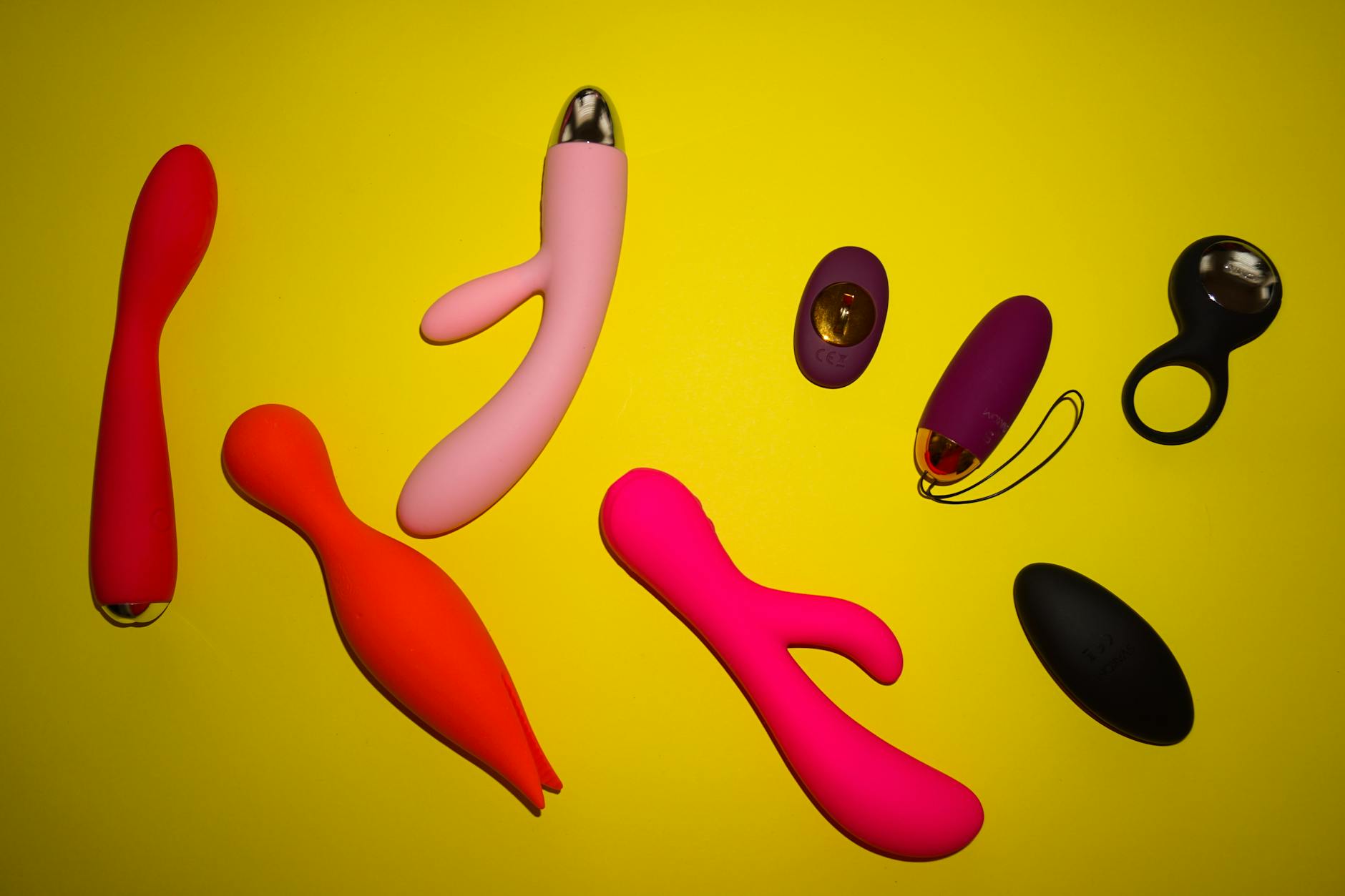
This is called dissociation or depersonalization, and it's way more common than people admit. And here's the thing nobody tells you: clitoral vibrators like the Lemon Clitoral Vibrator aren't just for orgasms. They're tools for re-anchoring yourself in sensation. When your nervous system has learned to tune out, a strong, consistent stimulation can help retrain it to pay attention again.
What's actually happening when you feel disconnected
Your nervous system is designed to protect you. When things feel unsafe, too much, or too painful, dissociation kicks in as a defense. Your conscious mind kind of steps aside while your body goes through the motions. You function, but you don't feel. Over time, this response can stick around even when the danger has passed.
The neuroscience is straightforward. Dissociation involves reduced activity in the parts of your brain responsible for interoception, which is basically your ability to sense what's happening inside your body. The tighter you clamp down on sensation, the harder it is to access pleasure, because pleasure requires being present in physical sensation. You can't climax if you're not in your body. You can't even feel touched if your nervous system has decided feeling is too risky.
Here's the good news: nervous systems are plastic. They learn, they unlearn, they rewire. Gentle, predictable sensory input can help coax your brain back online.
Why consistent vibration works better than you'd think
When you're dissociated, random or light touch often fails because it's not strong enough to cut through the static. Your nervous system ignores it. Intense, rhythmic vibration is different. The pattern is predictable, which feels safe to your brain. The intensity is undeniable, which forces attention. And the pleasure response, when it does arrive, tends to be grounded in sensation rather than performance.
Clitoral vibrators create sustained, consistent stimulation. They don't fade. They don't require you to think or do anything except stay still and notice. For people working through dissociation, that simplicity matters. You're not managing a partner's experience. You're not worried about looking right. You're just you and vibration, and over time, your nervous system starts to trust that this is safe enough to feel.
The suction-based design of a lemon clitoral vibrator adds another layer. Instead of direct friction, suction creates a broader wave of stimulation that some people find less jarring if their body is hypersensitive or has a history of avoiding touch. It's a gentler gateway back to sensation.
Starting small when your nervous system is guarded
If you're chronically dissociated, diving straight into intense pleasure seeking will backfire. Your body will just shut down harder. Instead, you're retraining a nervous system that's learned caution.
Start with observation, not expectation. Spend a few sessions just holding the Lemon Clitoral Vibrator, turning it on at the lowest setting, and noticing what you feel. Not trying to come. Not pushing yourself toward anything. Just attention. Can you feel the vibration at all? Where does the sensation land in your body? Does anything shift in your breathing or your pulse? Small shifts count.
Gradually increase intensity as you become comfortable. This isn't about rushing to climax. It's about teaching your nervous system that sensation is safe. Many people find that the first real breakthroughs come from curiosity, not arousal. You're rewiring your brain to pay attention to your body again.
The role of grounding practices alongside pleasure
Vibration alone won't fix dissociation if you're still living in the conditions that created it. Stress, relationships that don't feel safe, trauma without treatment, chronic sleep deprivation. These things keep your nervous system activated in protection mode.
So before and during your time with a clitoral vibrator, anchor yourself. Ground your nervous system first. Here's what works: breathe slowly before you start. Five counts in, seven counts out. Notice five things you can see, four things you can touch, three you can hear, two you can smell, one you can taste. This is sensory grounding, and it's the opposite of dissociation.
During pleasure sessions, check in with your sensations out loud. "I feel the vibration on my left side." "My breathing is getting faster." "My thighs feel warm." Narration pulls you into your body because language requires presence. Once you've rewired enough sensation, you won't need the narration anymore. But in the beginning, it's a lifeline.
When to involve a partner, and how
If you have a partner, they may want to help. That's kind, and it's also complicated. Being watched or touched by someone else when you're dissociated can actually intensify the disconnection because now you're managing their response on top of your own absence.
Start solo. Build your own capacity to feel in your own body without the pressure of another person's presence or expectations. Once you've established a baseline of sensation, a partner can join in ways that feel genuinely supportive rather than performative. This might mean they leave the room while you explore, or sit nearby without touching, or eventually participate in ways you've explicitly asked for.
Most importantly, have the conversation when clothes are on. Tell them: "I'm working on reconnecting with sensation. This isn't about you. I need to feel safe in my body first, and that's a solo project for now." A partner who gets this is a partner worth keeping.
The timeline is not linear
Some people reconnect in weeks. Others take months. Some have good days and terrible days where the dissociation creeps back in. This is normal. Your nervous system didn't learn to disconnect overnight, and it won't unlearn it overnight either.
What matters is consistency and gentleness with yourself. If you use a lemon clitoral vibrator three times a week and feel nothing for a month, and then suddenly something shifts, that's progress. Your brain is learning, even when you can't feel it yet. Honoring that invisible work matters more than forcing a result.
If dissociation is tied to trauma, therapy helps. Somatic therapy, which focuses on nervous system healing through body-based work, is particularly useful. A vibrator is a tool, not a cure. But it's a powerful one when it's part of a bigger strategy that includes professional support, safe relationships, and permission to go slow.
FAQ
What if vibration makes dissociation worse?
It can, especially if the intensity feels aggressive or if you're approaching it as a performance goal rather than an exploration. If that happens, step back. Try a lower intensity, or take a break for a few days. Your nervous system is telling you something. Listen to it. Some people reconnect through very gentle touch or temperature play instead of vibration. There's no rule that says vibrators have to be the tool.
Can I reconnect with my body without a sex toy?
Absolutely. Cold showers, dance, massage, acupuncture, swimming, yoga. Any sustained sensory input can help retrain your nervous system. A clitoral vibrator is just particularly useful because it's private, consistent, and designed to create pleasure, which is a powerful motivator for the brain to stay present. But if toys don't work for you, other modalities will.
How do I know if I'm dissociating or just not interested in sex?
Dissociation often feels like a fog or a distance, even when you want to feel something. Loss of interest in sex can be separate. You might not want sex but still feel present in other sensations. Dissociation tends to be broader. You feel numb to touch, temperature, hunger, fatigue. It's a full-body thing. If it's only happening in sexual contexts, it might be situational disconnection rather than clinical dissociation. Both are real. Both matter. But the solutions might be slightly different.
Should I tell my therapist I'm using a vibrator for this?
Yes, if you have a therapist who's sex-positive. Which most good therapists are. It's data. "I've been experimenting with sensation work solo, and here's what I'm noticing." That information helps them understand your nervous system better and tailor their approach. If your therapist is judgmental about this, get a new therapist. You deserve someone who knows that pleasure is part of healing.
What if I'm on medication that affects sensation?
That's a different issue, and it's worth discussing with your prescriber. Some antidepressants, blood pressure meds, and antihistamines all affect sensation and arousal. Sometimes you can adjust the dose or switch medications. Sometimes the trade-off is worth it. A vibrator might help compensate by creating stronger input that breaks through the medication's numbing effect. But the root cause still needs attention.
How long before I feel normal again?
There's no "normal." You're learning a new relationship with your body. Some sensation might come back quickly. Some might take time. And some of what you felt before might not return exactly as it was. That's not failure. That's integration. You're not fixing a broken thing. You're making peace with a nervous system that's trying to protect you, and then gently asking it to trust sensation again.
The bigger picture
Disconnection from your body is your nervous system doing its job. It learned that feeling wasn't safe. Clitoral vibrators, used with intention and patience, can help teach it that sensation is safe again. But pleasure is just the tool. The real work is rebuilding trust with yourself. And that takes time, support, and a lot of gentle self-talk along the way.
If you're struggling with dissociation, talk to a therapist. If you're exploring pleasure as part of reconnection, you might find that a lemon clitoral vibrator becomes a reliable anchor back into your body. Start small, stay curious, and be patient with yourself. Your body remembers how to feel. It just needs permission and a little consistent, safe stimulation to wake back up.
Ready to explore? Start with the lowest setting. Notice what you feel. And remember: there's no wrong pace for this work. You're on your own timeline.