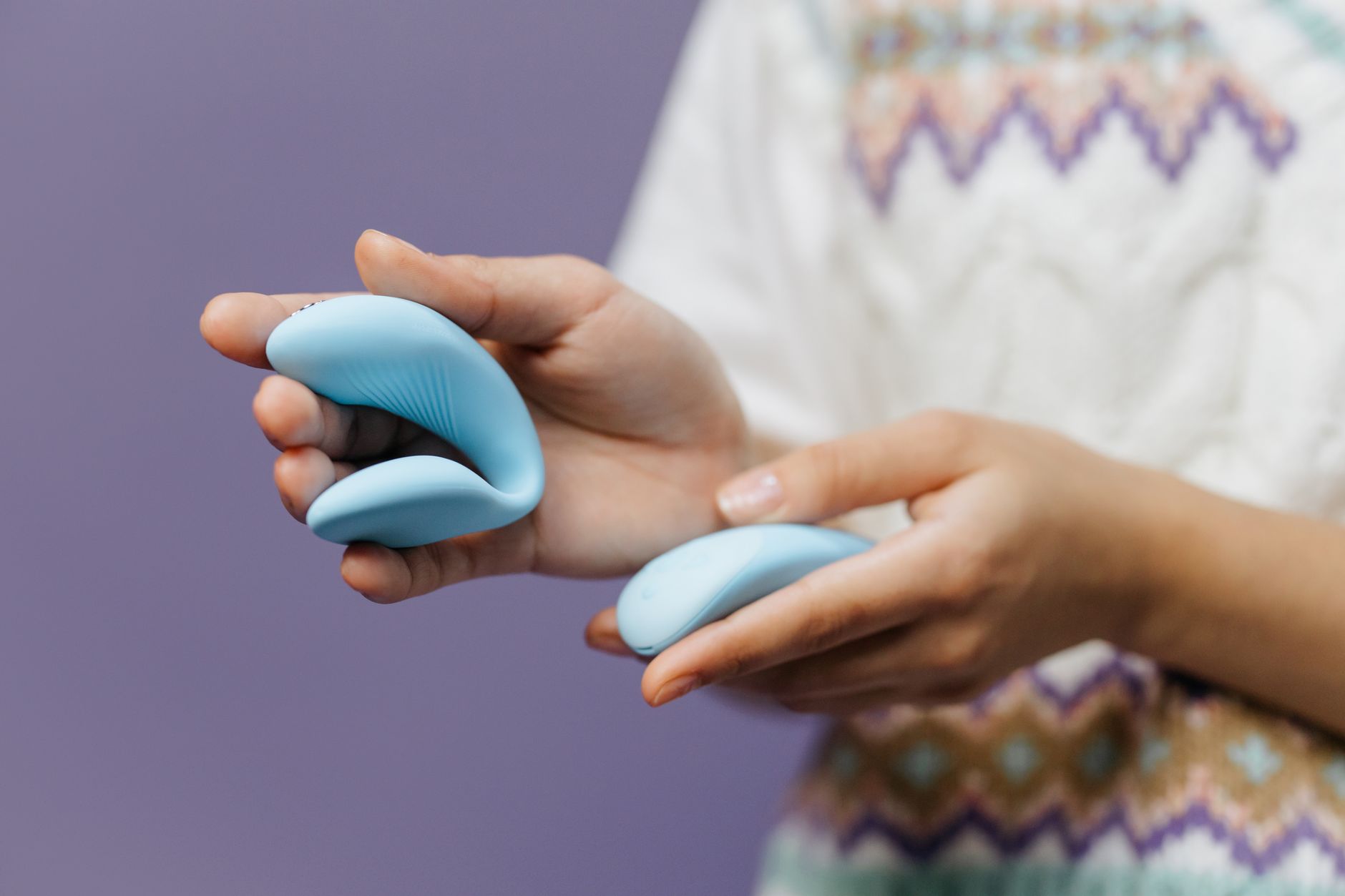
How to Use a Lemon Vibrator When You Have Numbness or Reduced Sensation
Let's be real. Numbness is one of the most frustrating things that can happen to your pleasure life. You want to feel things. Your body just... doesn't cooperate.
It shows up differently for different people. Sometimes it's a total loss of sensation. Sometimes it's more like everything's muffled, like you're touching yourself through a thick blanket. Sometimes one side works fine and the other side has gone quiet. Whatever shape it takes, the result is the same: touch that used to register now feels like almost nothing, and orgasm feels either impossible or hollow.
The good news is that sensation isn't permanent. Nerves can wake back up. A lemon vibrator works differently than traditional toys for exactly this reason, and understanding how and why it helps is the first step to bringing feeling back.
Why numbness happens in the first place
Reduced clitoral sensation comes from a surprisingly long list of sources. Diabetes. Long-term antidepressant use. Pelvic nerve damage from surgery or childbirth. Overuse of numbing products. Hormone changes from birth control or menopause. Chronic stress literally rewires your nervous system's ability to receive pleasure signals. Some people develop numbness from years of using the same high-intensity vibrator, which can desensitize nerve endings over time.
Then there's the psychological layer. Anxiety, trauma, or just regular disconnection from your body can make you feel absent from sensation even when your nerves are technically fine. The nervous system doesn't always distinguish between physical numbness and emotional shutdown.
The point: it's rarely just one thing, and it's rarely permanent. Nerves have what's called neuroplasticity. They can retrain. They can wake up. But they need the right stimulus.
Why lemon vibrators work better for sensitive or numb tissue
Most vibrators use oscillation. They buzz back and forth at high frequencies. This works beautifully for people with normal nerve sensitivity. But for someone with numbness, it's often like trying to wake someone up by whispering. You need something that cuts through.
Lemon clitoral vibrators, by contrast, use suction and pulsing air. That's a completely different kind of stimulus. Instead of vibration, you get rhythmic pressure changes. Instead of a small surface area, you get broader contact. Instead of friction, you get a gentle but sustained squeeze-and-release pattern.
For numb tissue, this matters enormously. Suction stimulates different nerve pathways than vibration does. Some of those pathways are less desensitized. Some respond better to sustained pressure than rapid buzzing. A lemon vibrator essentially gives your nervous system a new language to understand pleasure in.
Translation: if traditional vibrators have stopped working, it's not because your nerves are broken. It's because you've been asking them to respond to the same stimulus over and over. A lemon vibrator asks them to respond to something new.
Start with the lowest setting and patience
Here's where most people mess up. They expect sensation to come roaring back immediately. When it doesn't, they turn up the intensity, get frustrated, and give up.
Numbness took time to develop. It takes time to reverse.
Begin on the gentlest setting of a lemon vibrator. You're not trying to orgasm. You're not even trying to feel a lot. You're trying to wake the nervous system up to the presence of a new stimulus. Many people report that the first few sessions feel like almost nothing. That's normal. Your nerves are literally learning a new signal.
Use it for 10-15 minutes. No goal. No pressure. Just presence. If you feel a flutter, a warmth, a subtle tingle, that's your nervous system saying hello. That's the win.
Repeat daily or every other day for a week or two. You're retraining nerve pathways. That takes consistency, not intensity.
Build gradually, but not linearly
After a week or so of the gentlest setting, try the second-lowest. Stay there for another week. Notice whether sensation is building. Is there more feeling? Is it spreading to areas that were numb? Is the quality changing from "nothing" to "something subtle"?
Don't rush to higher settings just because they exist. The goal isn't to feel the most intense sensation possible. The goal is to restore your nervous system's ability to respond to pleasure at all. Sometimes that means staying at a medium setting for months while sensation quietly rebuilds itself.
One counterintuitive thing: sometimes bumping up the intensity too fast actually numbs you again. This is called overstimulation. It's different from the numbness you started with, but it gets you back to the same place. If you feel yourself going numb during a session, dial it back and wait a day before trying again.
Combine it with touch and breath work
A lemon vibrator is powerful, but it's not magic. Pairing it with intentional touch and breathing dramatically speeds up sensation recovery.
Before you use the vibrator, spend 5 minutes just touching the area with your fingers. No goal. No pressure to feel anything. Just curiosity. What does the skin feel like? Is there any sensation at all, even tiny? Where does sensation seem strongest?
Then breathe. When you hold your breath, your nervous system tenses up. Sensation shuts down. But when you breathe deeply and slowly (try in through your nose for four counts, out through your mouth for six), your nervous system relaxes. Nerves open up. Sensation becomes available.
Then introduce the lemon vibrator. Keep breathing. Notice what changes when you add the vibration to the foundation of breath and presence.
Watch for overstimulation versus numbness
This is important enough to say clearly. Numbness and overstimulation feel different, and you need to know the difference.
Numbness: you feel almost nothing. Maybe a dull, distant sensation that doesn't build. It's frustrating because there's no intensity at all.
Overstimulation: you feel something intense, but it's unpleasant. Sharp. Buzzy. Overwhelming. Like the vibration is scraping rather than caressing. Your nervous system says "too much" and shuts down to protect itself.
If you're feeling numb, turn up the intensity gradually or try a different pattern. If you're feeling overstimulated, dial it way back or take a break for a day. The difference matters because the fix is opposite in each case.
Consider external factors you can actually control
Sometimes numbness isn't just about the vibrator. Your nervous system operates in context. Stress, poor sleep, dehydration, and disconnection from your body all suppress sensation. On the flip side, movement, hydration, sunlight, and time outside can wake sensation back up.
If you're numb, and you're also stressed out, sleeping four hours a night, and haven't moved your body in a week, the lemon vibrator is working against heavy odds. A realistic approach includes all of it: the vibrator, yes. But also walks. Adequate sleep. Hydration. Sometimes a therapist or counselor to work through the emotional layer of numbness, especially if trauma is involved.
If you've experienced pelvic trauma or surgery, and numbness is a lingering effect, pelvic floor physical therapy combined with a lemon vibrator can be transformative. Therapists trained in pelvic health can help retrain the nervous system from both the mechanical and emotional angles.
When to check in with a professional
If numbness appeared suddenly, get it checked out. Sudden nerve changes can indicate something that needs medical attention. A gynecologist or specialist in sexual medicine can rule out infections, nerve damage, or medication side effects.
If numbness has been around for months and nothing is helping, that's also a signal to get support. A combination of pelvic physical therapy, possibly medication adjustment (if it's antidepressant-related), and the right toy can work wonders. But you don't need to troubleshoot alone.
Most importantly: numbness isn't a life sentence. It's a signal that something's out of balance. Rebalance it, and sensation comes home.
People also ask
How long does it take to restore clitoral sensation after numbness?
It depends on what caused the numbness. If it's from medication, it can take weeks to months after adjustment. If it's from overuse of numbing products, sensation often comes back in 2-4 weeks of gentle use. If it's from nerve damage or chronic stress, it might take 2-3 months of consistent effort. The common thread: gradual, patient, consistent stimulus works better than pushing hard.
Can you use a lemon vibrator if you have diabetic neuropathy?
Yes, but with caution. Diabetic neuropathy means reduced sensation, which means you need to be careful not to cause micro-tears or irritation you won't feel. Start very gently, check the area afterward for any redness or swelling, and consider shorter sessions (10 minutes max). If numbness is severe, talk to your doctor first. A lemon vibrator's suction mechanism is generally safer than traditional vibrators for numb tissue because there's no friction.
Does numbness from antidepressants go away if you stop the medication?
Sometimes yes, sometimes partially, sometimes no. It depends on the drug, how long you've been on it, and your individual biology. Lowering the dose sometimes helps; switching medications sometimes helps; sometimes sexual sensation comes back on its own after a few months even while staying on the same drug. Never stop medication without talking to your doctor, but do mention this side effect. Many doctors underestimate how much sexual numbness affects quality of life.
Is numbness the same as delayed arousal?
No. Delayed arousal means it takes longer to get turned on, but once you are turned on, you feel things normally. Numbness means you don't feel things, period, no matter how long you wait. However, they're sometimes related. Stress or anxiety can cause both. A lemon vibrator helps with both, but for slightly different reasons.
Can pelvic floor exercises help with numbness?
Yes and no. If your numbness is connected to pelvic floor tension or disconnection, gentle pelvic floor awareness exercises can help a lot. But if your numbness is from nerve damage or medication, kegels alone won't fix it. You need the nervous system stimulus that a lemon vibrator provides, plus the body awareness that breathing and touch provide. Combine them.
What if numbness only affects one side of the clitoris?
One-sided numbness often means nerve compression or localized tension. It's worth getting checked by a pelvic floor physical therapist, because sometimes releasing tension on one side brings sensation back quickly. In the meantime, focus the lemon vibrator on the numb side. You might find that sensation spreads from the sensitive side to the numb side as your nervous system wakes up. Some people also find that lying on one side versus the other changes which areas are responsive.
Bring sensation back, gradually
Numbness feels permanent because it's so total. But sensation isn't binary. It's a spectrum. And spectrums can shift. A lemon clitoral vibrator, used patiently with breath and presence, gives your nervous system exactly what it needs to remember how to feel. Start low. Be consistent. Trust the process. Your body knows how to wake up. It just needs the right invitation.
If you're struggling with sensation loss and want to explore what a lemon vibrator can do for you, we're here. Get in touch with questions, or check out how a lemon vibrator might fit into your routine with our buying guide.